Issue #30 ·
End-of-Life Dreams and the Story of Your Health
🚶♀️End-of-life-dreams, happiness, putting off exercise, and investing in personalization
Hello there,
You may have noticed a slightly new format for the newsletter.
I’m moving it over to Substack simply because I like the idea of having a clean homepage where you can check back on any of the previous issues.
I’ll work on filling in the back issues but in the meantime, here is this week’s post
This week in building health
The Strangeness of End-of-life Dreams (and how much we don’t yet know)
If you’ve been reading for a long time, you know that I’m interested in health beyond just exercise, diet, and the body.
There’s also relationships
There’s also purpose
There’s also spirituality
This week’s article has me thinking about exactly that.
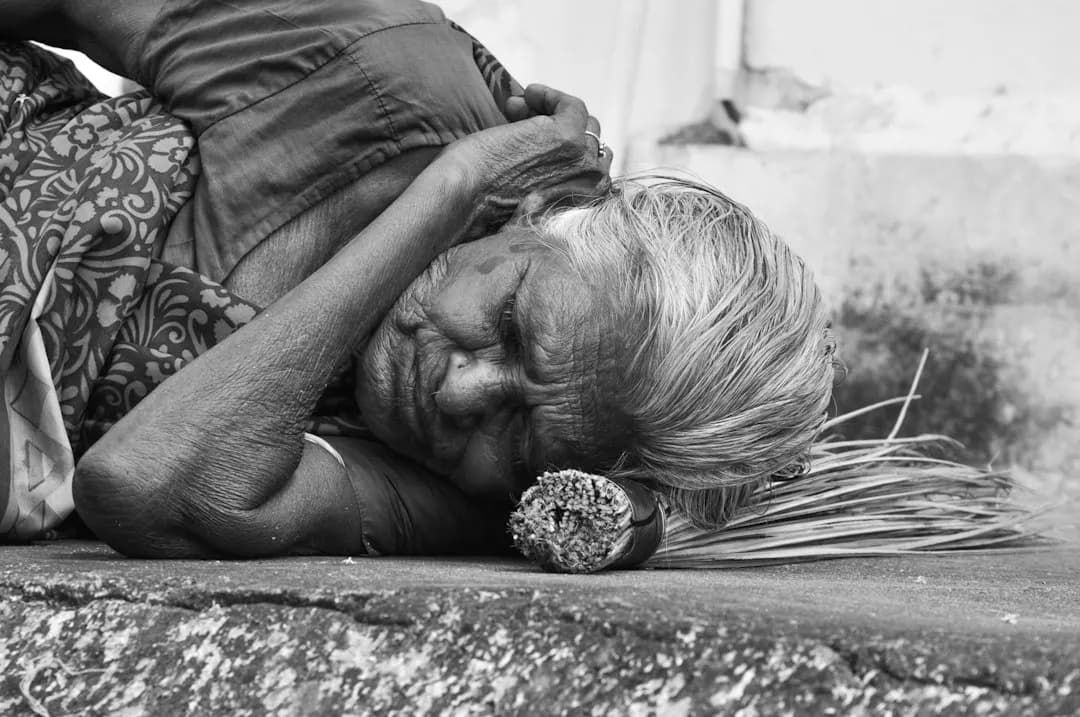
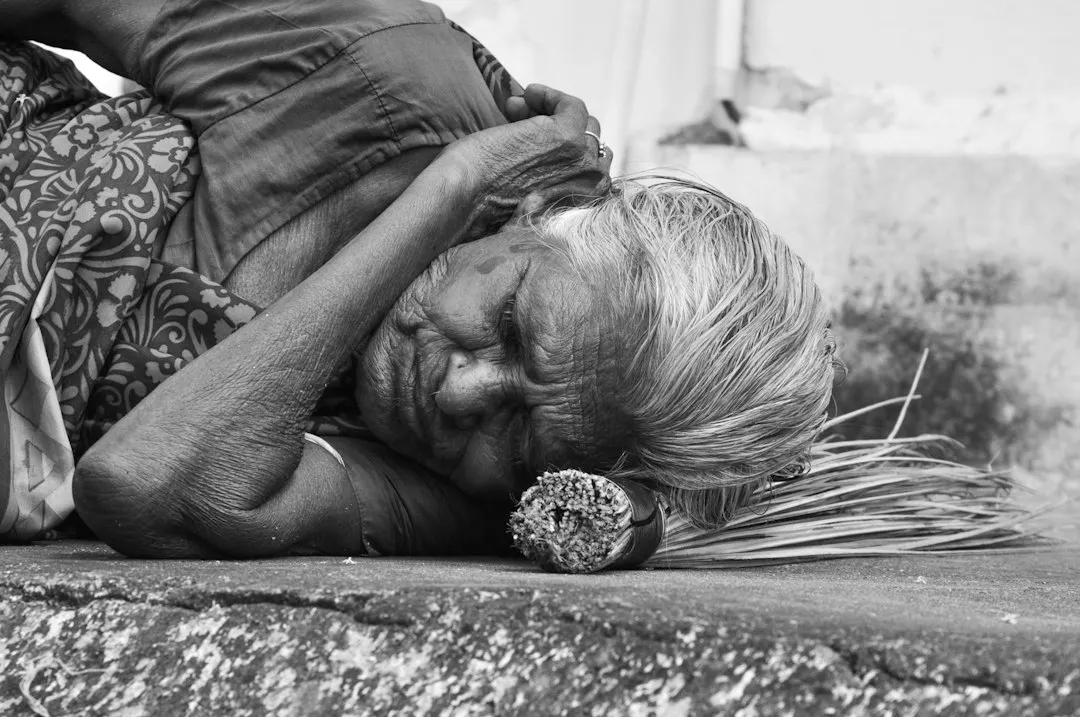
It’s all about end of life dreams, and how they accurately “predict” when it’s someone’s time to go
From the Article:
“Medically,” Dr. D said, “Lisa is much better. Her vital signs are strong, and she is not experiencing any nausea. This is the good news.”
“The bad news,” he continued, “is that your wife called the nurses in the middle of the night to say that she saw her parents on a boat outside the window beckoning her to come. “
“I know this may not make sense,” he went on, “but we see this repeatedly in our patients.”
“When patients report a vision like this, they almost always die within a day or two. I’m so sorry.”
My wife died a little more than twenty-four hours later.
End of life is more about medical care- it’s personal care
Stories like this make me think about what more we can do when it comes to healthcare.
We’ve become adept at using medicine to extend people’s lives, but really struggle when it comes to more intangible things like giving that life purpose, value, and meaning.
One way to give people meaning is to help them tell their stories.
Building up your health story (and always re-writing it)
I have a weird habit of remembering the years of all my big injuries.
Fractured Left elbow - 2004
Partial dislocation left shoulder - 2006
Torn Left ACL (surgery) - 2008
Torn Right ACL (surgery) - 2010
Pinched Nerve - 2020
And I use those details to help me tell my health story.
In 2012, I used to tell the story of how I how been through so many injuries and ups and downs, and with the help of my family, doctors, and support teams, I could come back to peak form and go on to win medals in university competitions
Today, in 2023
I can tell the story of how my injuries as an athlete prepared me to navigate my pinched nerve in 2020. Though it was easy to believe my body could not recover this time, each previous injury reminds me that my body can bounce back again
Always care for the person, not just the patient (or client)
As someone in the health industry, it’s a reminder for me to treat each person as someone with unique and personal things they are going through, especially around their health
From the article again:
I came to see the stethoscope that was always around Kerr’s neck less as a diagnostic tool than as a symbol of how he sees his role as a physician caring for the dying. He is at the bedside to listen to his patients—and not just to their heart and lungs.
He is there to listen to the story of their lives
My favorite health things for the week
// one
What Makes Me Happy Now
3 minutes | Helen Garner
Part of the What Makes Me Happy Now Series of The Guardian
Here’s an excerpt:
you can’t earn it, you can’t strive for it, it’s not a reward for virtue. It exists all right, it will be given to you, but it’s fluid, it’s evasive, it’s out of reach. It’s something you glimpse in the corner of your eye until one day you’re up to your neck in it. And before you’ve had time to take a big gasp and name it, it’s gone.
// two
Why Do We Put Off Exercise When We Know It’ll Make Us Feel Better?
7 minutes | Brandon Leonard
For some reason, we always prioritize exercise last in the day.
I know for me, if I miss my morning workout, the chances I’ll do it in the day are so low.
From the essay:
And then I finally go and run, or hike, or bike, or ski, or whatever. I sweat, I look at clouds, trees, the mountains around here, I think about stuff, and I come home. And then I’m at ease.
// three
The value of getting personalization right—or wrong—is multiplying
15 minutes | Mckinsey
On the subject of taking care of the person, it’s now more important than ever
Personalization drives performance and better customer outcomes. Companies that grow faster drive 40 percent more of their revenue from personalization than their slower-growing counterparts.
Big companies are also trying to figure this out.
On my part, one of the advantages of being an individual coach is that I can really tailor my coaching to a person’s needs
Thanks for reading!
If you like “Becoming Fit for Life” please share it with someone who can learn from it. You can also “like” this newsletter by clicking the ❤️ just below, which helps me get visibility on Substack.
Until next week,