Issue #78 ·
Is Bad Posture Really to Blame for Back Pain?
🧍The Truth Behind "Bad Posture", Why it's more important to stay flexible, How Stress Causes Pain, and One Exercise to help you this week
Hello friends,
“Sit up straight.”
“Fix your posture.”
“Don’t slouch your back.”
When I was growing up, there was a lot of emphasis on good posture.
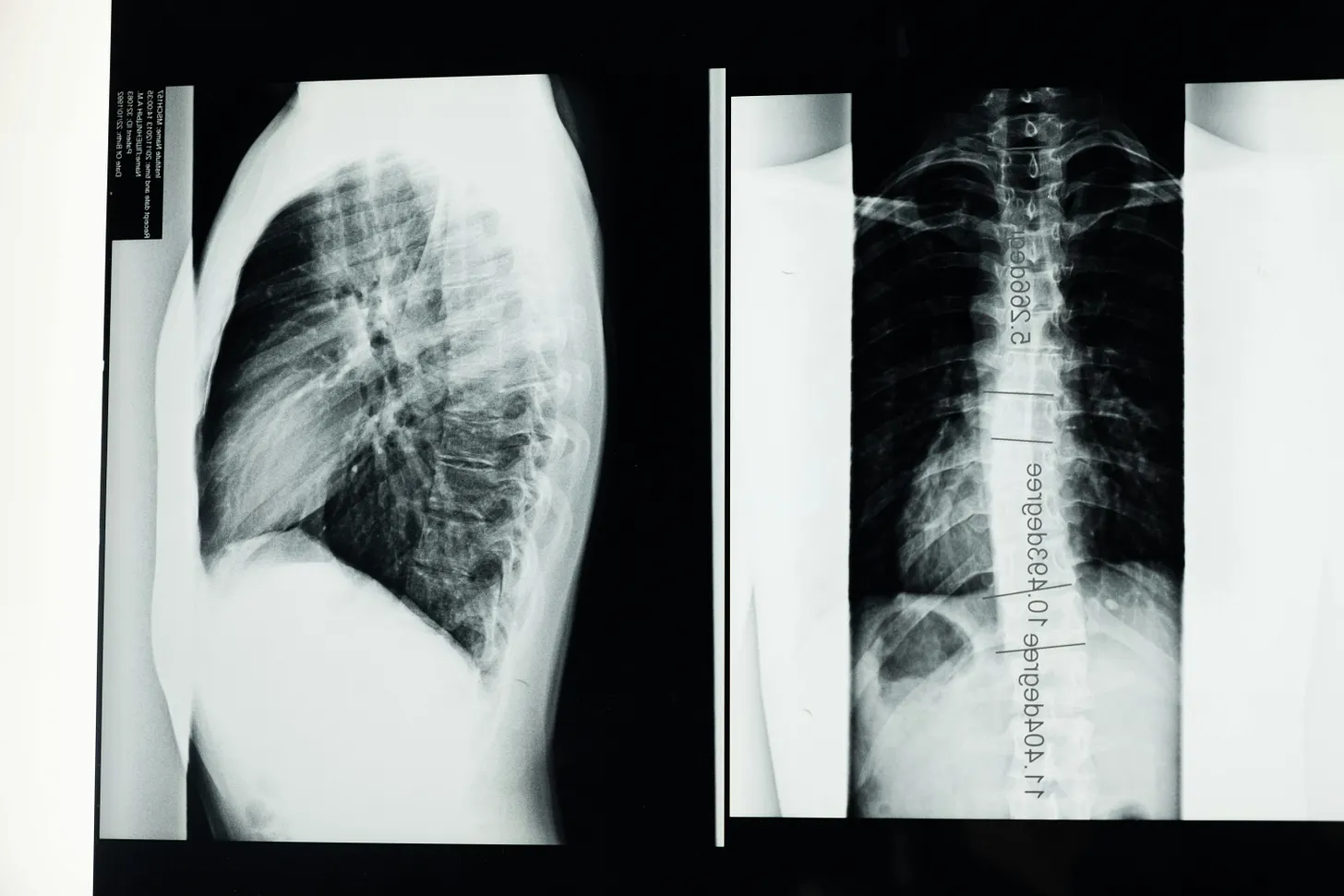
Now that I’m older, when someone complains about back pain, it's always blamed on computers, desks, work, and "bad posture.”
This week in building health 👇
What is Posture Panic?
Today’s insights are from Beth Linker’s book, “Slouch: Posture Panic in Modern America.”
The link below is a podcast episode where she guests.
The book examines why we’ve been concerned about good posture for so long.
I was surprised to learn how our ideas about posture have changed over time.
Beth’s research demonstrates that concerns about posture have existed for more than a century.
The Historical Background of "Posture Panic”
The worry about posture began after Charles Darwin published "On the Origin of Species" in 1859.
Back then, scientists believed poor posture could cause sickness or degeneration, which was popular in the early 20th century.
In 1917, Harvard found that nearly 80% of their freshmen had poor posture.
This led to many schools, workplaces, and the military testing people’s posture.
I remember when I was in Catholic school, there was a lot of emphasis on lining up, standing tall and straight, and not slouching.
This ingrained the belief that good posture is about looking nice and staying healthy and strong.
Social and Cultural Impacts of Posture Science
Posture isn’t just about health; it is linked to social and cultural ideas.
People thought bad posture meant laziness or bad morals.
For many people, good posture signified being the "right kind of person.” You needed to stand well and have “good posture” to appear modern, cultured, and sophisticated.
What is the Bottom Line Physically?
Today, we have a different understanding of posture.
Modern studies show that good posture doesn’t prevent disease or chronic pain. Many people with “bad posture” are pain-free.
There's no actual correlation between posture, pain, and movement.
Why does my back hurt?
It’s not a simple answer, but for now I think it's more about stress and the contemporary way of living.
I believe bad posture is a symptom, not the cause of pain and discomfort.
My Take on Posture in Daily Life
The history of posture science is a testament to how societal norms can shape our understanding of health.
And the conversation with Beth made me rethink how much stress I place on myself regarding "perfect" posture. She argues that while good posture can be beneficial for some, there's no universal approach to how we should carry ourselves.
We know that everyone’s body is different, and what works for one person might not work for another.
Worrying about posture can add unnecessary pressure in our busy lives, especially as professionals balancing multiple responsibilities.
Constantly worrying about whether we're sitting perfectly upright is not likely to be beneficial over time.
→ Listen to the Podcast Episode Here
My favorite health things for the week
// one
The Importance of Mobility for Aging Adults
8 minutes | American Sports & Fitness Association
Instead of worrying about holding a rigid posture, ask yourself how well you can move.
There’s a clear connection between mobility, flexibility, independence, and longevity, especially as you age.
Maintaining mobility helps you live longer and healthier.
// two
Can Stress Cause Back Pain?
11 minutes | Katharine Chan, MSc
In today's quick-moving world, we all deal with stress.
This article discusses the link between stress and back pain. It explains how stress can lead to back pain by affecting muscles and the nervous system.
We often think of stress as just a mental issue, but there’s more going on than meets the eye.
// three
Practice “Threading the Needle”
X minutes | A
The "Thread the Needle" exercise is a hidden gem for relieving upper body tension quickly.
This stretch targets the upper back, neck, and shoulders, perfect for long desk days.
Adding this exercise can improve mobility and reduce pain, helping you move better and feel more comfortable in daily activities.
Have a Healthy Weekend