Issue #76 ·
Why Long-Term Health Is Hard: Kind vs Wicked Environments
♟️ Why health is sometimes easy and sometimes hard, do "whole" things, limit your sugar, and understand what people get out of smoking
Hello friends,
Last week I had a client stop working with me.
At the start of our time together, I helped him lose some weight and get his blood pressure under control.
Now that he’s “not in danger,” he confessed:
“I’m not so motivated anymore— It doesn’t work when my goal is “stay healthy.”
That really got me thinking about this one question:
Why is it difficult to work about long-term health?
And the first place my mind went to was a Psychology class from my college days.
This week in building health 👇
What are "Kind" and "Wicked" Learning Environments?
A lot of us grow up with “kind” learning environments.
There is one correct answer.
The patterns show up again and again.
We know our mistakes right away.
In "Kind" learning environments, stable rules and repeating patterns allow for quick and accurate feedback, enabling consistent learning and improvement.
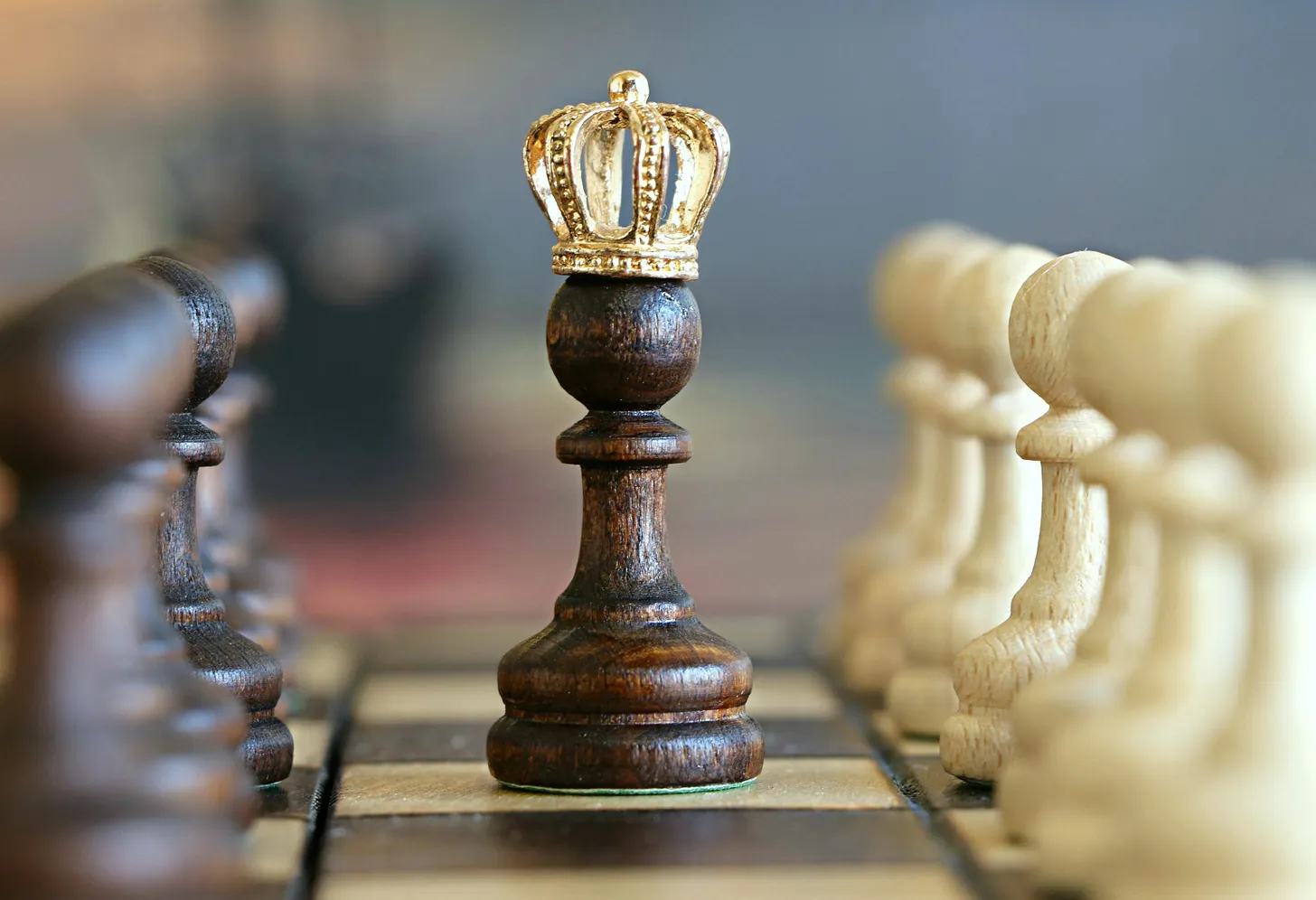
Think of something like chess. The rules are clear and the outcomes are predictable. (That’s why computers excel at chess).
On the other hand “Wicked” environments are unpredictable, rules change and patterns don’t repeat. Sometimes feedback can be delayed or inaccurate. (Think about how you don’t feel the effects of a bad diet until many years later)
In this case, think of something like being a team manager. Each person’s psychology and working style is different. And they can respond differently to your management strategies.
In these cases, it’s not always clear what the correct thing to do is. And a lot of times, it’s case to case.
This makes learning and improvement challenging.
Learn How to Recognize the Type of Environment You Are In
This applies to Health too.
Because some areas in Health are straightforward. (Like my client’s problem of losing weight and fixing his blood pressure).
The Rules of Nutrition are clear. And he can tell me objectively (Yes or No) if he followed his diet. If he breaks his habits, we can see that immediately.
Things like Training for a Marathon or Lifting Weights are similar too.
All these are “kind environments.”
But some health aspects are more wicked:
Long-Term Health Outcomes: Adopting a new diet or exercise routine may not show benefits for years. Many variables could influence the outcome, making it more challenging.
Working on Mental Health: The factors influencing mental health are complex and interrelated. What works for improving mental health today might not work tomorrow due to changes in stress levels, personal circumstances, and other unpredictable factors.
We can set realistic expectations, adopt appropriate strategies, and enhance our ability to learn and grow by recognizing the environment.
This distinction can be a valuable guide, whether you're improving fitness or navigating personal challenges.
My favorite health things for the week
// one
De-Atomization is the Secret to Happiness
8 minutes | Nat Eliason
This resonates with me, because I've always believed that life's richness comes from its wholeness, not in dissecting it into parts.
My favorite example is that hiking in nature with a friend offers a more fulfilling experience than isolated exercise routines. And if I could this would be my every day exercise.
It's about the wholesomeness of experiences that can't be achieved by over-optimizing our lives.
This article explores how making activities more “whole” can lead to a more satisfying and balanced life.
// two
The science on sugar cravings and how to beat them
14 minutes | Barbara Brody
This is a reminder that sugar activates the same brain pathways as drugs. And while society doesn’t treat it as dangerous, it 100% is a problem.
To beat sugar cravings, tackle physiological and psychological factors.
Here are five strategies:
Limit Exposure: Avoid satisfying cravings with small tastes. This reinforces the habit.
Give It Time: Cutting back on carbs, including sugar, diminishes cravings within weeks.
Break the Association: Change routines linked to sugar cravings. For example, take a walk instead of eating sweets during your usual craving times.
Employ Mindfulness: Allow cravings, observe them, and let them fade. It helps manage stress-induced cravings and promotes conscious eating choices.
Strive for a Balanced Diet: Eating whole foods rich in fiber, protein, and healthy fats increases satiety and stabilizes blood sugar, reducing sugar cravings.
Implementing these strategies can help you overcome sugar cravings and improve your health.
// three
F
X minutes | A
Aside from the clickbait, it’s worth watching.
It’s not helpful to just think of something as “bad.” Why do people still do it?
Why do I have this 'bad’ habit?
It explains the physiological and psychological reasons behind smoking addiction.
Until next time
I can’t believe it’s the end of May already!
The rainy season is starting to roll in here— less conducive to outdoor exercise? But at least it’s not so hot anymore.
Have a Healthy Weekend