Issue #41 ·
How to Eat Slowly: 3 Tricks to Stop Overeating
🍇 Why you should practice eating more slowly, why it's so hard to exercise for your future self, some studies on managing blood sugar
This week in building health 👇
Eating Slowly is THE Best food skill
Last week, I shared that growing up we were meat eaters.
Continuing the theme of “childhood eating habits”— I also ate really fast when I was a kid.
I can’t help it.
We’re a big family, and I wanted to make sure I could get a second helping
But eating fast became a habit, and I really had to work to break it.
Why Should You Slow Down When You Eat?
Have you ever gone to your favorite pizza place and just starting throwing back slice after slice.
The last time this happened to me I thought to myself
“I just kept eating, and didn’t realize I was full until it was too late”
“My stomach didn’t tell my brain right away!”
What’s Happening When You Eat Slowly?
Turns out that’s exactly how it works.
When you eat slowly, your brain has time to receive signals from your stomach that you're full.
Eating too quickly leads to overeating because your brain doesn't have enough time to register that you've had enough food.
On top of that, taking your time and chewing your food more improves the absorption of nutrients in your body.
So you can eat less, and still get enough nutrients!
3 Tools and Tricks that Helped Me Eat Slower
When I was still single, and mostly eating alone during my lunch breaks, it was so tempting to just scarf down my food and get on with my day. So the trick I used was to time it.
I would start the timer, prepare a bite and eat it every 60 seconds.
Looking back, maybe it was a bit overkill. But it did help train me to eat much more slowly
Eating socially- with family or friends as much as possible
I noticed that when I’m with other people, I tend to slow down and match their pace.
Putting down my fork and talking to the people at the table just got me to eat much more slowly!
Plus you get to connect with the people around you
Choose foods that get you to chew more
When I start falling back into old habits of eating fast, I try to shift my diet into more “chewy-challenging” foods
These are stuff that need a bit more time with the teeth, and really forces me to chew it well.
So for example, rice and soups are easy to just swallow quickly- and doesn’t take a lot of chewing.
Because of that it’s easy to eat more.
On the other hand, foods like steak, chicken breast, or fibrous vegetables require more chewing, which naturally slows down your eating pace.
By consciously choosing these types of foods, you can train yourself to eat slower and prevent overeating.
→ Read my Favorite Article on Slow Eating here (14 mins)
My favorite health things for the week
// one
Good Food on a Budget
17 minutes | Environmental Working Group
It feels like the eternal trade off is Good and Healthy food vs Cheap and Available food.
So I’m sharing this quick resource that identifies some of the more cost effective grocery options.
It’s a great guide on buying delicious, nutritious food without killing your budget.
Your mileage may vary based on where you’re based and how the supply chains are structured there.
Either way, it’s a useful source of inspiration for your grocery list!
→ Visit the site to Learn more
// two
The Time Traveling Mistake We Make When We Procrastinate
9 minutes | Hal Hershfield
Choosing to exercise today is really hard to do. Even though we know it’s something that can benefit our future self.
But that’s exactly the problem. It’s so hard to make choices for our future selves.
From the article:
When we procrastinate, we do think about the future and our future selves but not in a particularly deep or meaningful manner.
To combat this, it can help to occasionally visualize what your future life might look like.
Ask yourself:
What would a day in my 80-year old life look like?
What would I want to be doing then?
Who do I want to be spending my time with?
A quick (and frequent) reflection on that can help with your motivation
// three
Two Ideas on Improving Your Blood Sugar
I was browsing some studies this week and found these two. (links included for the nerds)
Basically, one suggests to manage blood sugar by eating most of your calories before 1pm (about 80%)
The other study notes that afternoon vigorous exercise helps manage blood sugar too.
Put together, I can imagine that if your goal is to control your sugar, then a nice routine would look something like:
Wake up, stretch, and have your usual breakfast to start your day
Around midmorning, get some more nutrients in
Have your lunch as your main meal
Up to this point, you’re getting most of your calories and fuel before 1pm.
Then in the afternoon
Get your workout done in the mid-to-late afternoon
Refuel at dinner, but don’t eat too much
This is mainly for blood sugar management, but I can see it being helpful in other areas too!
Until next time
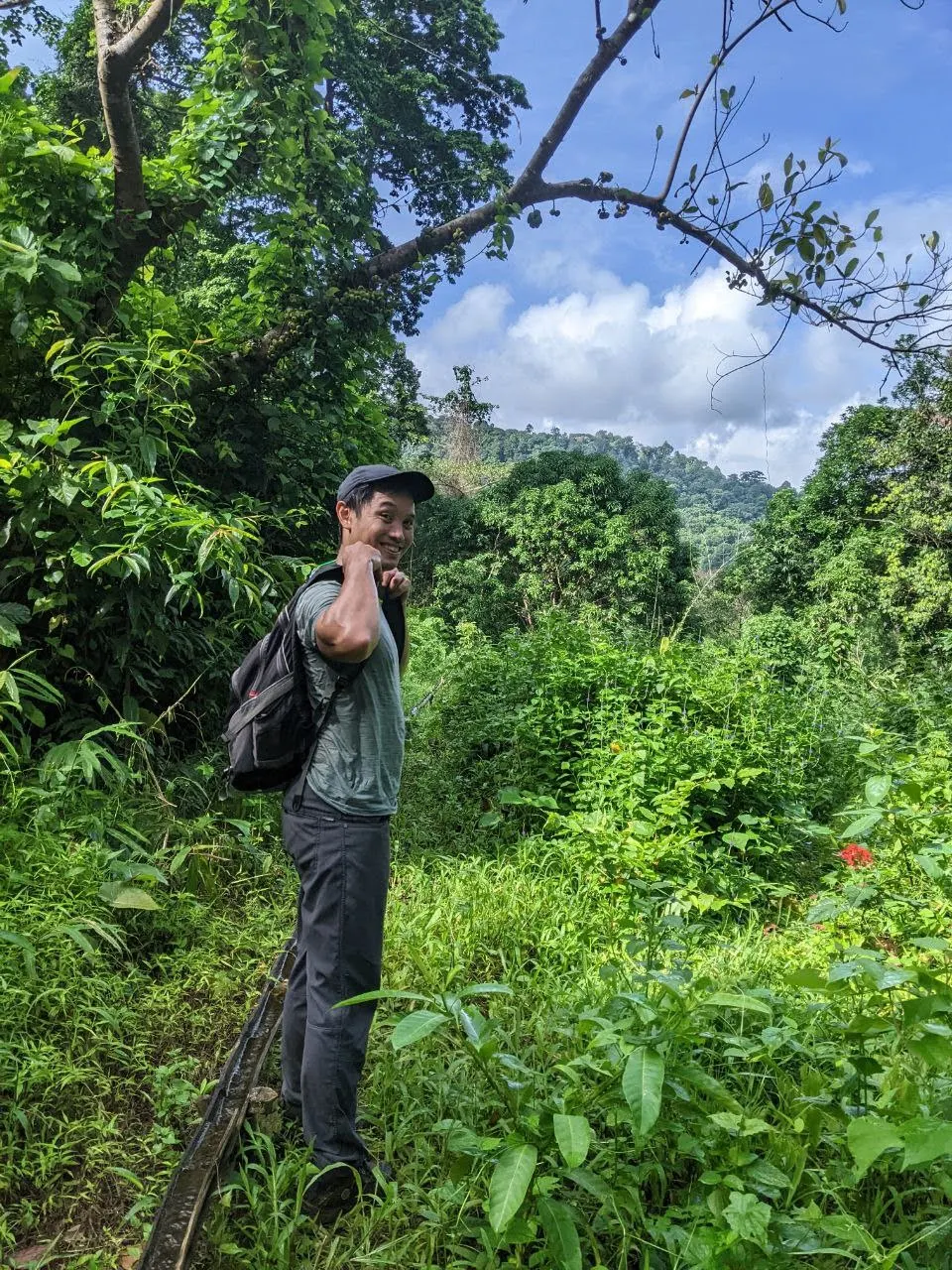
Got a nice hike in with my new shoes last weekend!
I am still basking in the post-hike energy
Hope your week has been going great!
Thanks and Have a healthy weekend,
Javier Gomez